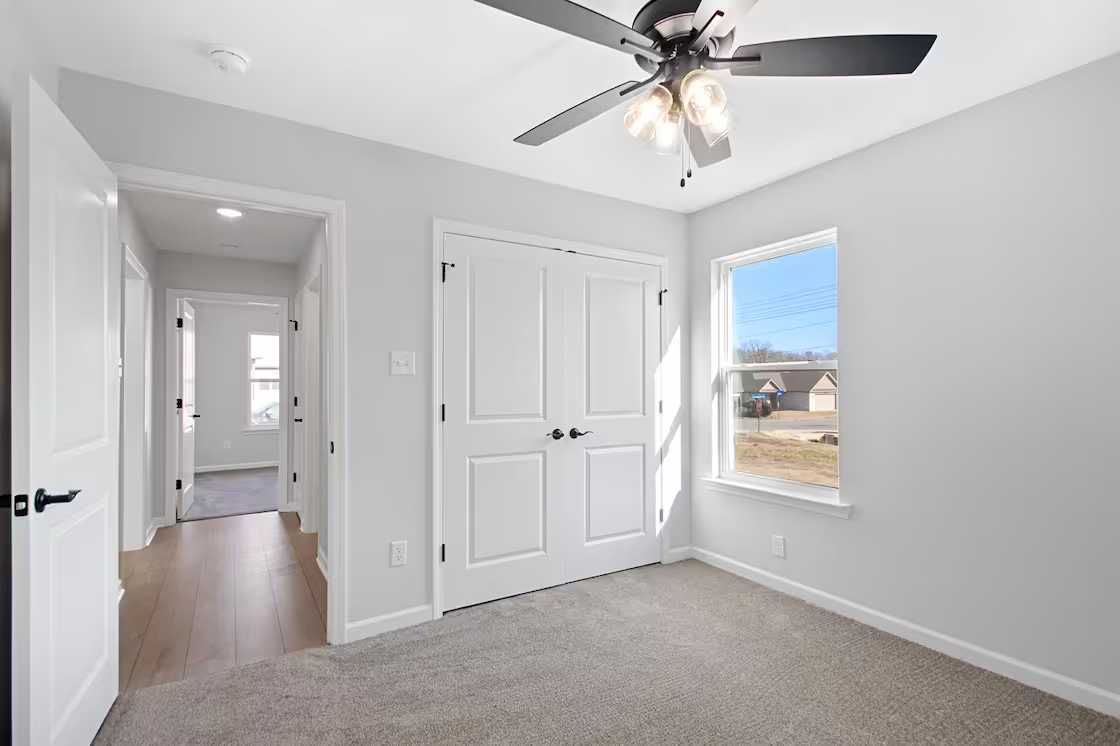
The lighting in your new home represents far more than simple illumination—it creates ambiance, affects your mood, influences your productivity, and significantly impacts your monthly utility bills. Modern energy-saving lighting solutions have evolved dramatically, offering homeowners unprecedented control over their energy consumption while delivering superior light quality, longevity, and aesthetic appeal.
When you’re building a custom home or selecting one of our carefully crafted pre-built models at The Gardens at Hope Valley Homes, every decision shapes your family’s comfort, sustainability, and long-term financial well-being. Among these crucial choices, energy-saving lighting solutions stand out as both an immediate investment in your daily quality of life and a lasting commitment to environmental responsibility.
At The Gardens at Hope Valley Homes, we understand that today’s homebuyers seek more than just beautiful spaces; they want homes that operate efficiently, reduce environmental impact, and provide long-term value. This comprehensive guide will explore the most effective energy-saving lighting solutions available for your new home, helping you make informed decisions that align with both your lifestyle preferences and sustainability goals.
From understanding the latest LED technology advancements to implementing smart lighting systems that adapt to your daily routines, we’ll cover everything you need to know about creating an efficiently illuminated home that serves your family for decades to come.
Modern energy-saving lighting solutions operate on principles that dramatically differ from traditional incandescent bulbs. While conventional bulbs convert only about 10% of their energy consumption into visible light—wasting the remaining 90% as heat—today’s efficient alternatives can achieve conversion rates of 80% or higher.
This fundamental difference in energy conversion translates directly into tangible benefits for homeowners. When you choose efficient energy-saving lighting solutions for your new home at The Gardens at Hope Valley Homes, you’re investing in technology that can reduce your lighting-related energy consumption by up to 75% compared to traditional options.
The environmental impact extends beyond individual savings. According to the U.S. Department of Energy, widespread adoption of LED lighting could save approximately 348 terawatt-hours of electricity annually by 2027—equivalent to the annual electrical output of 44 large electric power plants. By incorporating these energy-saving lighting solutions into your new home, you’re contributing to this broader environmental benefit while enjoying personal financial advantages.
Contemporary energy-saving lighting solutions have overcome early limitations related to light quality and color rendering. Today’s options provide excellent color reproduction, dimming capabilities, and color temperature flexibility that supports your family’s natural circadian rhythms.
The color rendering index (CRI) measures how accurately a light source reveals the true colors of objects compared to natural sunlight. High-quality energy-saving lighting solutions now achieve CRI ratings of 90 or higher, ensuring that your home’s interior colors, artwork, and furnishings appear vibrant and true to their intended appearance.
Color temperature options in modern efficient lighting range from warm, cozy tones (2700K-3000K) ideal for bedrooms and living areas, to cooler, more energizing tones (4000K-5000K) perfect for home offices, kitchens, and task-oriented spaces. This flexibility allows you to create distinct atmospheres throughout your home while maintaining energy efficiency.
Light Emitting Diode (LED) technology represents the most significant advancement in energy-saving lighting solutions over the past decade. These solid-state lighting devices offer exceptional efficiency, lasting 25-50 times longer than traditional incandescent bulbs while using at least 75% less energy.
The longevity of LED energy-saving lighting solutions provides particular value for homeowners at The Gardens at Hope Valley Homes. With lifespans often exceeding 25,000 hours, quality LED fixtures can provide reliable illumination for 20-25 years under normal usage patterns. This durability eliminates the frequent bulb replacement costs and inconvenience associated with traditional lighting.
Modern LED energy-saving lighting solutions also offer instant-on capability, reaching full brightness immediately without warm-up periods. This feature enhances both convenience and safety, particularly important for areas like staircases, bathrooms, and exterior entrances where immediate illumination is crucial.
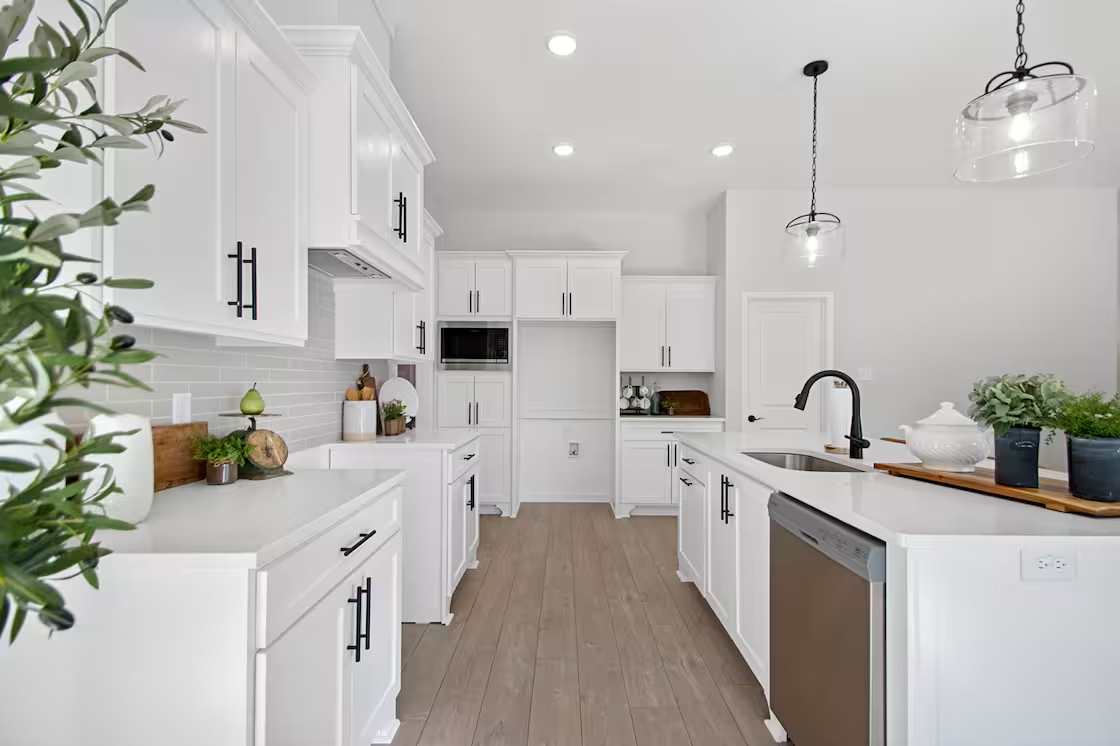
Different areas of your new home benefit from specifically designed LED energy-saving lighting solutions. Kitchen applications often utilize high-CRI LEDs that accurately render food colors while providing task-appropriate illumination for cooking and food preparation. Under-cabinet LED strips create functional workspace lighting while adding visual interest to kitchen designs.
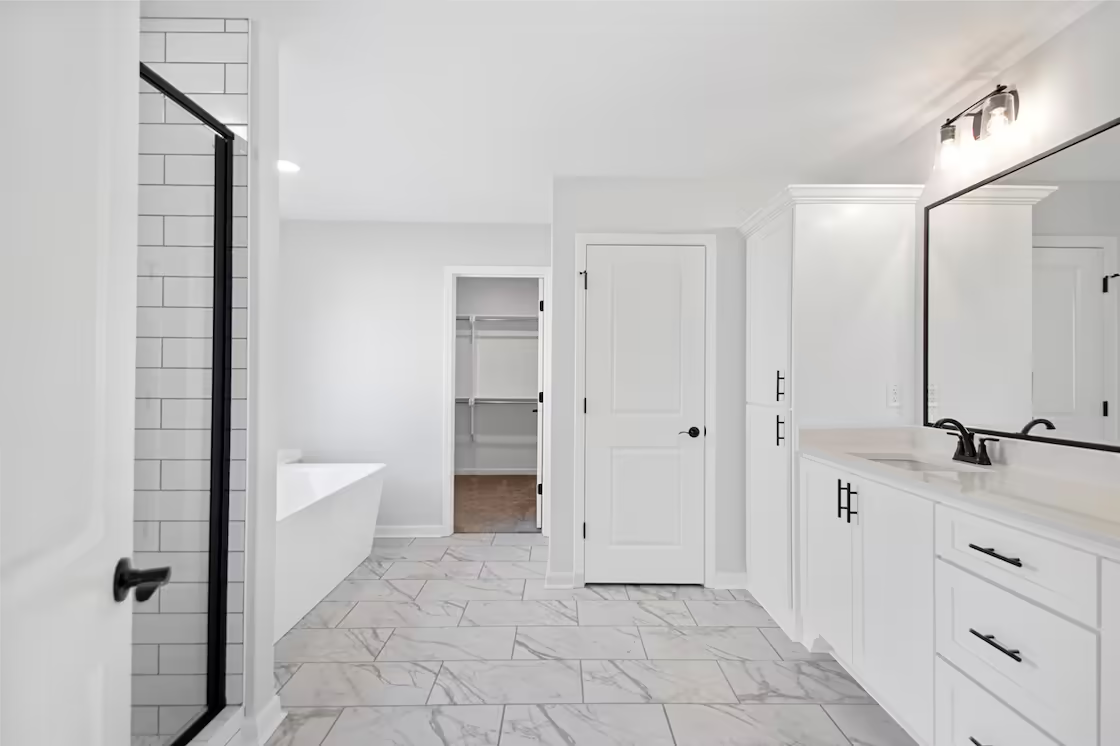
Bathroom energy-saving lighting solutions require careful consideration of moisture resistance and light quality for personal care tasks. LED vanity lighting with high color accuracy ensures proper visibility for grooming while maintaining energy efficiency. Many modern LED bathroom fixtures include integrated dimming capabilities that support relaxation routines.
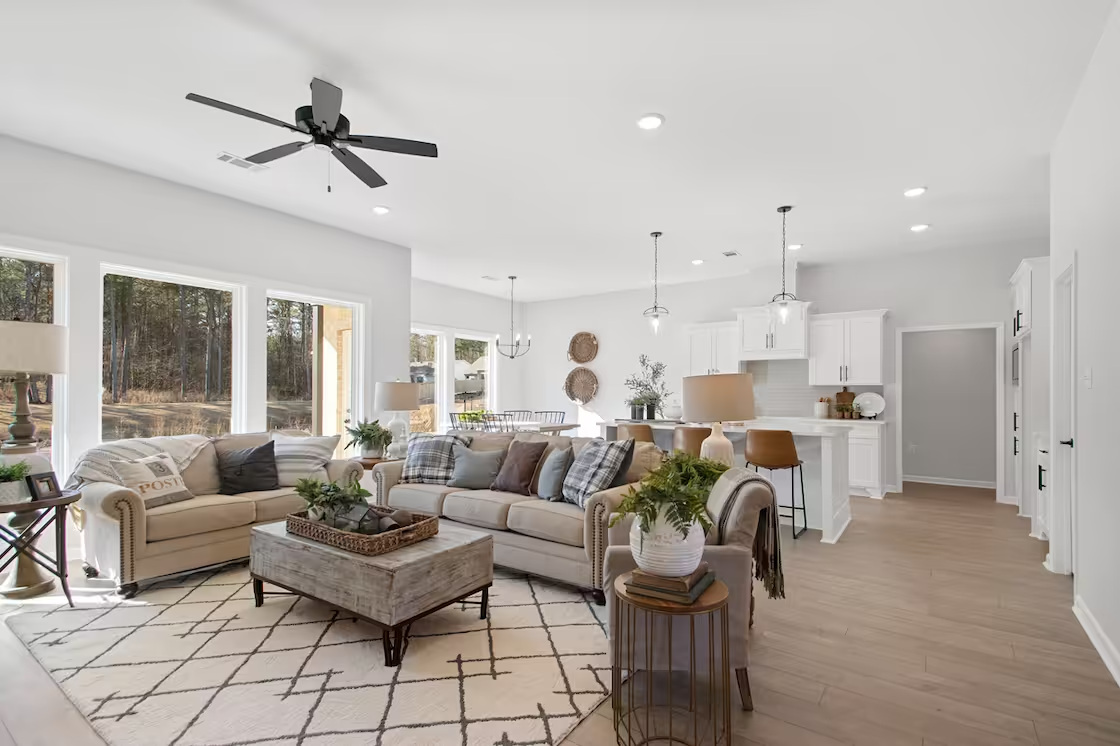
Living areas benefit from LED energy-saving lighting solutions that offer flexibility in ambiance creation. Dimmable LED ceiling fixtures, accent lighting, and table lamps allow you to adjust lighting levels throughout the day, supporting both entertainment and relaxation activities while minimizing energy consumption.
Smart lighting represents the next evolution in energy-saving lighting solutions, combining efficient LED technology with intelligent control systems that automatically optimize energy usage based on occupancy, time of day, and available natural light.
These advanced energy-saving lighting solutions learn your family’s patterns and preferences, automatically adjusting brightness levels and color temperatures to match your daily routines. Motion sensors ensure lights activate only when spaces are occupied, while daylight sensors reduce artificial lighting when natural light is abundant.
The integration capabilities of smart energy-saving lighting solutions extend beyond simple on/off control. Modern systems can coordinate with other home automation features, including security systems, HVAC controls, and entertainment systems, creating comprehensive energy management that maximizes efficiency across all home systems.
Contemporary smart energy-saving lighting solutions offer intuitive control through voice assistants and mobile applications, making energy-efficient lighting management effortless for all family members. Voice commands allow instant lighting adjustments without physical interaction with switches or dimmers.
Mobile app control enables remote lighting management, allowing you to ensure lights are turned off when away from home or to activate lighting before returning. These features contribute significantly to the overall efficiency of your energy-saving lighting solutions by preventing unnecessary energy consumption.
Advanced scheduling capabilities in smart energy-saving lighting solutions support complex automation scenarios. You can program different lighting scenes for various activities—bright, cool light for morning routines, warm, dim lighting for evening relaxation, and automatic nighttime pathways that provide safety without disrupting sleep.
Effective energy-saving lighting solutions extend beyond artificial lighting to include strategic utilization of natural light. The design and orientation of your new home at The Gardens at Hope Valley Homes can significantly impact your dependence on artificial illumination throughout the day.
South-facing windows provide consistent natural light throughout the day, reducing the need for artificial lighting in main living areas. However, effective energy-saving lighting solutions require careful consideration of seasonal solar angles and potential glare issues that might necessitate supplemental lighting or window treatments.
Skylights and clerestory windows represent advanced natural lighting strategies that bring illumination deep into home interiors while maintaining privacy. These features work synergistically with artificial energy-saving lighting solutions, reducing overall energy consumption while creating dynamic, naturally lit environments.
Solar tubes or light tubes offer innovative approaches to energy-saving lighting solutions for interior spaces that lack direct window access. These systems capture natural light from roof-mounted collectors and channel it through reflective tubes to interior spaces, providing free illumination during daylight hours.
Interior design choices significantly impact the effectiveness of both natural and artificial energy-saving lighting solutions. Light-colored walls, ceilings, and flooring materials reflect and distribute light more effectively, reducing the number and wattage of fixtures required to achieve comfortable illumination levels.
Strategic mirror placement can amplify both natural and artificial light, creating brighter spaces with fewer fixtures. This approach supports overall energy-saving lighting solutions by maximizing the efficiency of every light source in your home.
Effective energy-saving lighting solutions require careful consideration of how different spaces in your home will be used and the specific lighting requirements for various activities. Task lighting provides focused illumination for specific activities while ambient lighting creates overall room brightness.
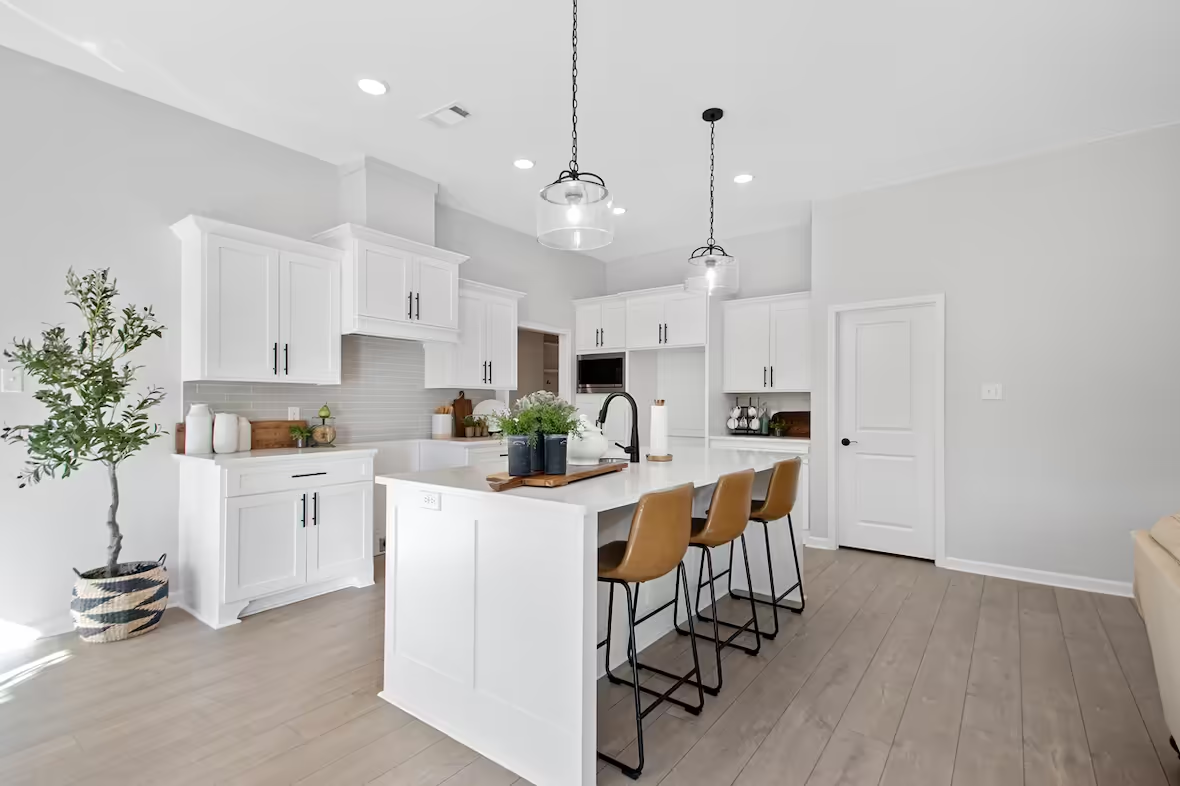
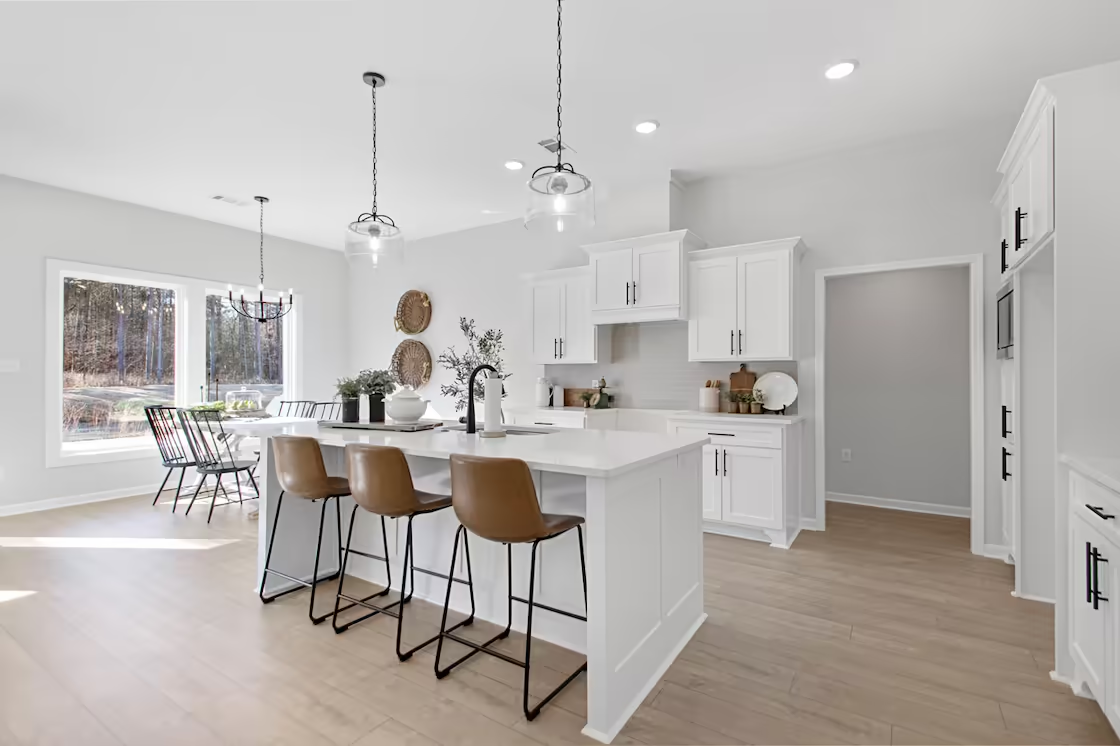
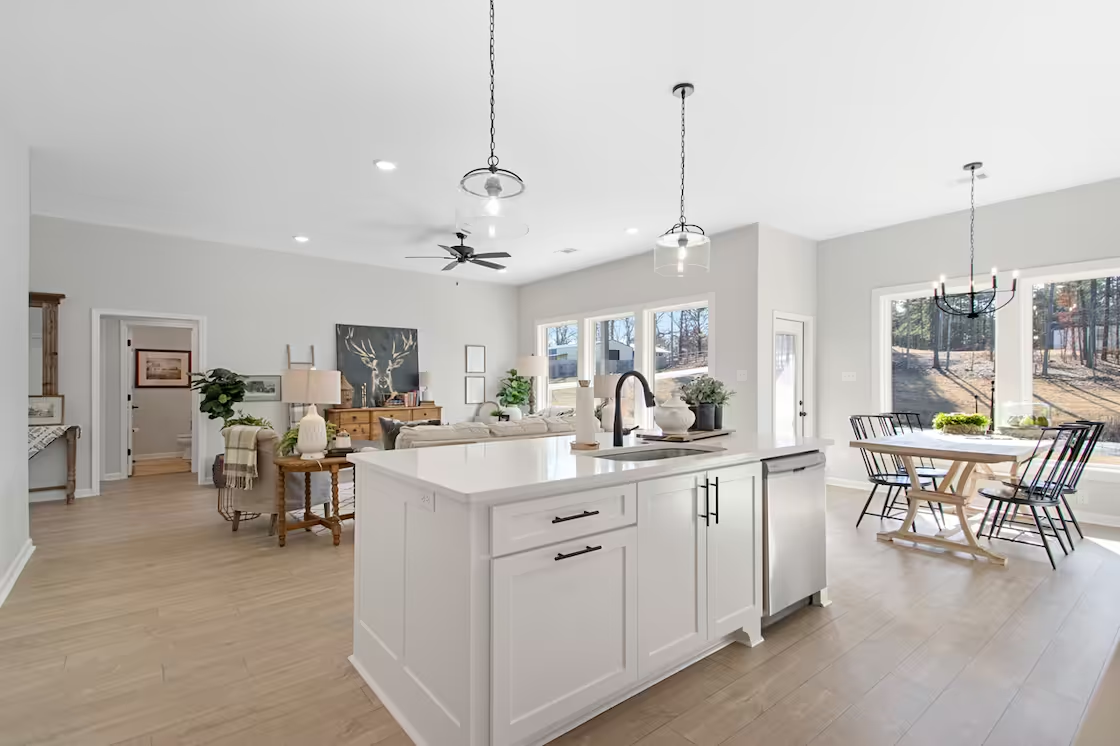
Kitchen energy-saving lighting solutions typically combine general ceiling lighting with task-specific under-cabinet or pendant lighting over work areas. This layered approach ensures adequate illumination for food preparation and cooking while allowing energy-efficient adjustment of lighting levels based on specific needs.
Home office spaces benefit from energy-saving lighting solutions that minimize eye strain during computer work while providing adequate illumination for reading and writing tasks. Adjustable desk lamps with high-quality LED bulbs offer focused task lighting that can be positioned to avoid screen glare.
Balanced energy-saving lighting solutions incorporate three types of lighting: ambient (general room lighting), task (focused activity lighting), and accent (decorative or highlighting lighting). This layered approach provides maximum flexibility while maintaining energy efficiency.
Ambient lighting forms the foundation of your home’s energy-saving lighting solutions, providing comfortable general illumination for everyday activities. Recessed LED ceiling fixtures, flush-mount ceiling lights, and pendant lights serve as primary ambient lighting sources while maintaining energy efficiency.
Accent lighting adds visual interest and helps define architectural features or highlight artwork and decorative elements. LED track lighting, wall sconces, and architectural lighting create these effects while consuming minimal energy, supporting your overall energy-saving lighting solutions strategy.
While high-quality energy-saving lighting solutions often require higher upfront investment compared to traditional lighting options, the long-term financial benefits significantly outweigh initial costs. LED fixtures and bulbs typically cost 2-5 times more than incandescent alternatives but provide operational savings that recover this investment within 2-3 years.
The total cost of ownership for energy-saving lighting solutions includes purchase price, installation costs, energy consumption, and maintenance expenses over the fixture’s lifetime. When evaluated comprehensively, efficient lighting options demonstrate clear financial advantages through reduced energy bills and minimal replacement costs.
For new construction or major renovation projects like those at The Gardens at Hope Valley Homes, the incremental cost of specifying energy-saving lighting solutions versus standard options is often minimal when considered as part of the overall project budget, while providing decades of operational benefits.
A typical household can save $75-$100 annually by replacing incandescent bulbs with LED energy-saving lighting solutions. Over the 20-25 year lifespan of quality LED fixtures, these savings accumulate to $1,500-$2,500 per household, not accounting for avoided replacement costs and potential energy price increases.
Smart lighting features in advanced energy-saving lighting solutions can increase savings by an additional 20-30% through automated optimization and scheduling. Occupancy sensors alone can reduce lighting energy consumption by 15-20% in frequently used areas like hallways, bathrooms, and utility rooms.
The resale value benefits of energy-saving lighting solutions add another dimension to return on investment calculations. Energy-efficient homes increasingly command premium prices in real estate markets, with efficient lighting systems contributing to overall home value and marketability.
While some energy-saving lighting solutions can be installed as DIY projects, professional installation ensures optimal performance, safety, and warranty compliance. Licensed electricians understand local electrical codes and can integrate new lighting systems with existing home electrical infrastructure effectively.
Professional installation of energy-saving lighting solutions is particularly important for smart lighting systems that require network integration and configuration. Proper installation ensures reliable operation and maximizes the energy-saving benefits of advanced control features.
At The Gardens at Hope Valley Homes, our construction team coordinates lighting installation with other home systems, ensuring that your energy-saving lighting solutions integrate seamlessly with electrical, automation, and security systems for optimal performance and efficiency.
For homeowners considering upgrades to existing properties, many energy-saving lighting solutions can be retrofitted into standard electrical boxes and switch configurations. LED bulb replacements offer the simplest upgrade path, providing immediate energy savings with minimal installation complexity.
More comprehensive energy-saving lighting solutions might involve upgrading electrical circuits to support dimming controls, adding smart switches, or installing new fixture types that optimize light distribution. These improvements can significantly enhance both energy efficiency and lighting quality throughout your home.
Progressive upgrade strategies allow homeowners to implement energy-saving lighting solutions over time, spreading costs across multiple years while immediately beginning to realize energy savings from each upgraded area.
The environmental benefits of energy-saving lighting solutions extend far beyond individual energy bill savings. Reduced electricity consumption directly correlates with decreased carbon emissions from power generation, contributing to broader environmental sustainability goals.
LED-based energy-saving lighting solutions contain no mercury or other hazardous materials, unlike compact fluorescent bulbs, making them safer for both home use and disposal. The long lifespan of efficient lighting also reduces waste generation compared to frequently replaced traditional bulbs.
Manufacturing energy requirements for energy-saving lighting solutions have decreased significantly as production volumes have increased and manufacturing processes have improved. The energy payback period—the time required for energy savings to offset manufacturing energy—is now less than three months for most LED lighting products.
Modern energy-saving lighting solutions increasingly incorporate sustainable materials and design principles that support circular economy concepts. Manufacturers are developing LED fixtures with easily recyclable components and modular designs that extend product lifespans through component replacement rather than complete fixture replacement.
End-of-life recycling programs for energy-saving lighting solutions help ensure that valuable materials like rare earth elements and semiconductors are recovered and reused. Many manufacturers and retailers now offer take-back programs that facilitate proper disposal and material recovery.
The durability of quality energy-saving lighting solutions reduces the frequency of replacement cycles, minimizing both resource consumption and waste generation over building lifespans. This longevity contributes significantly to the overall sustainability profile of efficient lighting systems.
Continuing improvements in LED technology promise even more efficient energy-saving lighting solutions in the coming years. Researchers are developing LEDs with higher efficacy rates, better color rendering, and enhanced controllability that will further improve the performance of efficient lighting systems.
Organic LED (OLED) technology represents an emerging category of energy-saving lighting solutions that offers unique design possibilities through flexible, thin-film light sources. While currently more expensive than traditional LEDs, OLED technology may provide new opportunities for architectural integration and creative lighting design.
Micro-LED technology promises to deliver energy-saving lighting solutions with even greater efficiency and control precision than current LED options. These emerging technologies may enable pixel-level control of large lighting surfaces, creating new possibilities for dynamic lighting displays and highly customized illumination patterns.
The growing adoption of residential solar power systems creates new opportunities for energy-saving lighting solutions that operate directly from renewable energy sources. DC-powered LED lighting systems can operate more efficiently from solar panels and battery storage systems, eliminating conversion losses associated with AC power.
Smart energy-saving lighting solutions are increasingly designed to integrate with home energy management systems that coordinate lighting, solar generation, and battery storage for optimal efficiency. These systems can automatically adjust lighting consumption based on available renewable energy and grid conditions.
Energy storage integration allows energy-saving lighting solutions to provide emergency lighting during power outages while maintaining normal efficiency during regular operation. Battery backup systems specifically designed for LED lighting can provide hours of emergency illumination with minimal impact on overall system efficiency.
While energy-saving lighting solutions require significantly less maintenance than traditional lighting systems, proper care ensures optimal performance and maximum lifespan. Regular cleaning of fixtures and lenses maintains light output efficiency and prevents degradation of illumination quality.
LED-based energy-saving lighting solutions benefit from proper thermal management, as excessive heat can reduce efficiency and shorten lifespan. Ensuring adequate ventilation around fixtures and avoiding installation in extremely hot locations helps maintain optimal performance.
Driver electronics in LED energy-saving lighting solutions represent the most likely failure point over the fixture’s lifetime. Choosing fixtures with easily replaceable drivers or modular designs can extend overall system life and reduce long-term maintenance costs.
Quality energy-saving lighting solutions typically include comprehensive warranties that cover both LED light sources and electronic components. Understanding warranty terms and manufacturer support policies helps ensure that your lighting investment provides expected performance and longevity.
Professional installation often includes additional warranty coverage for energy-saving lighting solutions, providing protection against installation-related issues and ensuring that manufacturer warranties remain valid. This professional support can be particularly valuable for complex smart lighting systems.
Manufacturer support for energy-saving lighting solutions increasingly includes software updates and technical assistance that help maintain optimal performance as technology evolves. This ongoing support contributes to the long-term value of efficient lighting investments.
LED recessed ceiling fixtures and LED bulbs in standard lamp fixtures provide the most immediate cost-effectiveness for energy-saving lighting solutions. These options offer 75-80% energy savings compared to incandescent lighting while requiring minimal additional upfront investment. For new construction at The Gardens at Hope Valley Homes, specifying LED fixtures during the building process often costs only 10-20% more than standard fixtures while providing decades of energy savings.
How much can I expect to save annually with comprehensive energy-saving lighting solutions?
LED-based energy-saving lighting solutions require minimal maintenance compared to traditional lighting. Annual cleaning of fixtures and lenses maintains optimal light output, while checking connections and ensuring proper ventilation helps maximize lifespan. Most quality LED fixtures operate maintenance-free for 15-20 years under normal conditions, eliminating the frequent bulb replacement required with incandescent lighting.